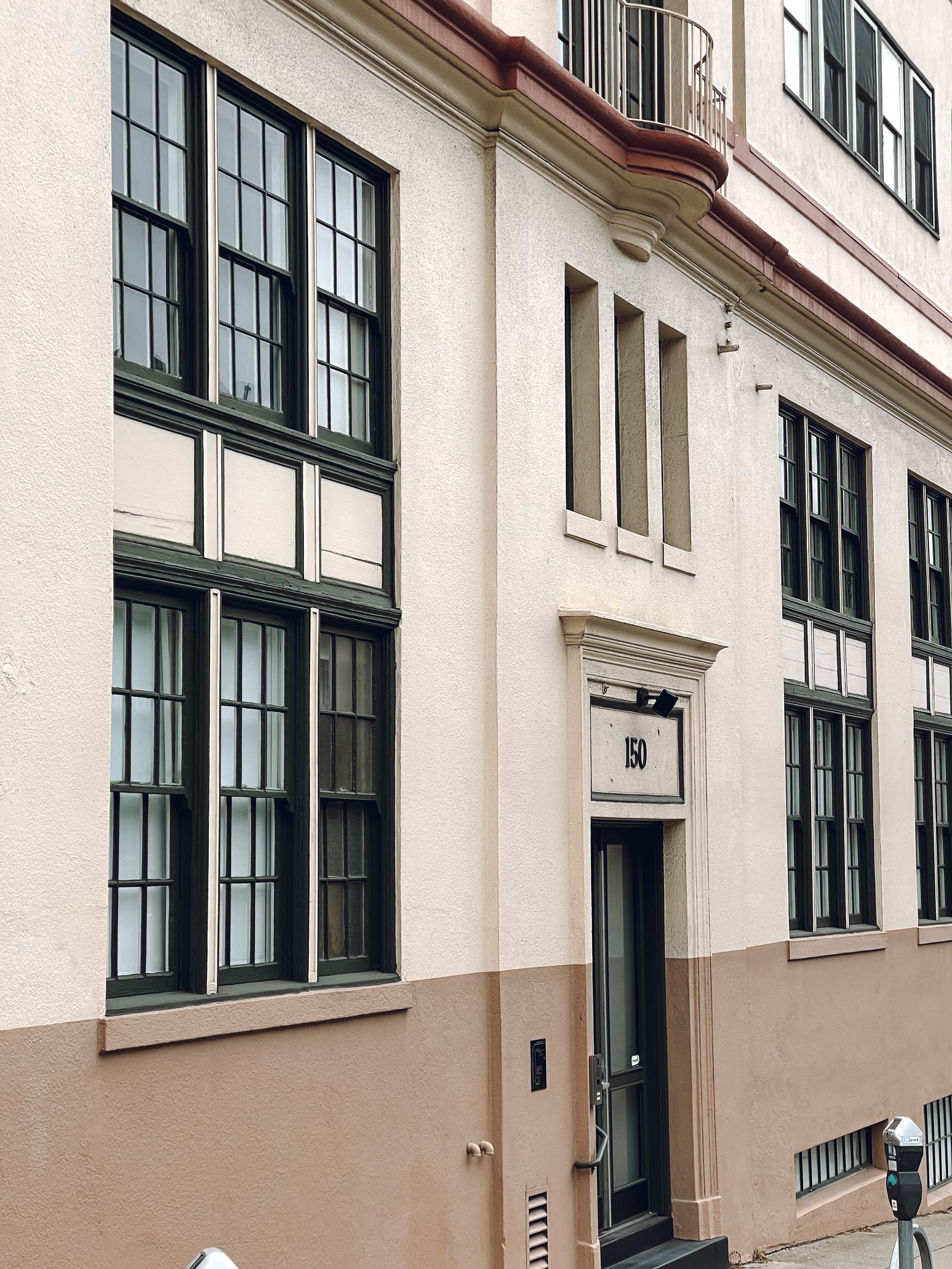
Begin with the facade, deposit, and coastal exposure
Wilmington commercial exteriors can combine brick, mortar, concrete, stucco, EIFS, painted metal, glass, tile, composite panels, canopies, and repaired sections. A dark streak may be algae-like growth, mildew, pollen, salt film, sand-bound soil, roof runoff, mineral residue, oxidation, traffic film, or a coating problem. Those conditions need different decisions. Pressure selected without regard to the substrate can scar soft material, disturb joints, remove paint, drive water behind trim, or leave the source of the staining in place.
A soft-wash process can be appropriate for compatible organic growth when a test area confirms the surface, product, dwell, rinse, protection, and expected appearance. The written scope should distinguish facade washing from mineral removal, oxidation, rust, glass detailing, construction residue, graffiti, repointing, waterproofing, painting, and leak work. A useful handback names cleaned elevations and deposits that remain because they require another method or trade.
- Map brick, masonry, stucco, EIFS, concrete, glass, metal, tile, and coatings.
- Separate organic growth, salt, sand, traffic soil, minerals, oxidation, and damage.
- Test weathered, repaired, coated, or visually sensitive surfaces before full work.
- Define the intended finish, exclusions, and closeout standard in the quote.
Sequence downtown and Riverwalk frontage around public life
Downtown Wilmington properties along Front Street, Market Street, Water Street, and near the Riverwalk may place storefront glass, historic-looking masonry, restaurants, hotels, offices, outdoor seating, curb space, and public sidewalks close together. A clean facade still needs an open accessible route, protected doors and air intakes, visible wet-surface controls, and a sequence that does not turn a popular entrance into an avoidable work zone. Rear or side elevations may be completed first, with the principal frontage scheduled during a quieter window.
Riverwalk work deserves a close look at pedestrian movement, visitor activity, boardwalk-adjacent edges, loading, event schedules, and water movement toward the Cape Fear River. The scope should say where equipment stages, how hoses cross or avoid a route, how storefronts are protected, and who can pause the work when a delivery, event, guest, or public condition changes. The objective is a documented cleaning result that leaves the operating property usable.
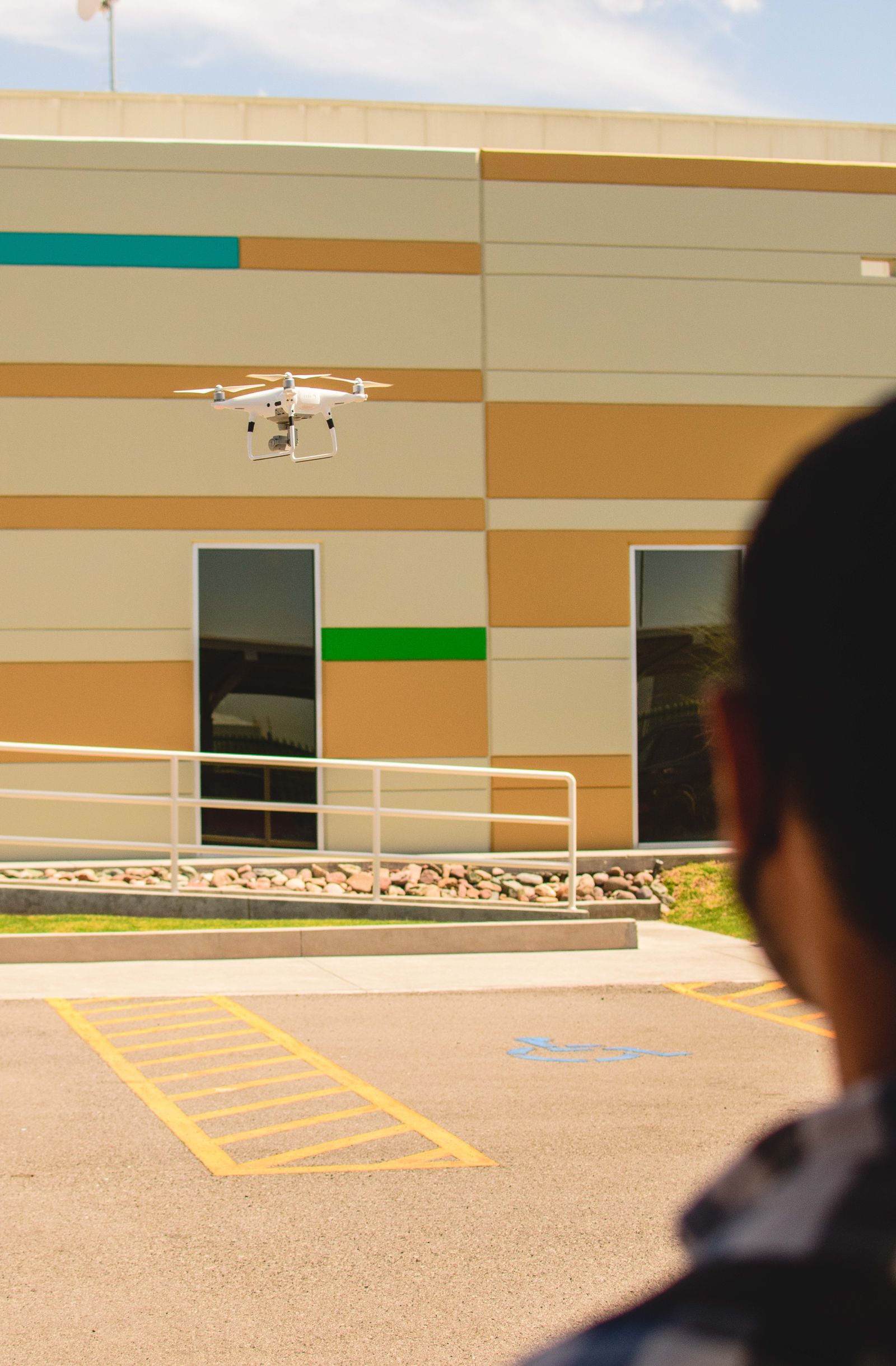
Plan Mayfaire and Oleander Drive work by tenant activity
Mayfaire properties often combine retail storefronts, restaurants, offices, hotels, shared parking, landscaping, pedestrian paths, signs, and customer traffic. Oleander Drive and nearby corridors add medical offices, banks, neighborhood retail, restaurants, and properties with drive aisles and multiple entrances. A property manager should identify tenant opening times, deliveries, trash pickup, drive-through queues, employee arrivals, events, and any recurring customer route before mobilization.
A clinic or medical office may need patient drop-off, accessible routes, quiet windows, protected air intakes, and a clear emergency path. A hotel may need guest arrival, luggage movement, pool or patio areas, and housekeeping circulation kept separate from wet work. A retailer may need storefront visibility and parking access throughout the service. Phasing by elevation or tenant is often more practical than treating the whole property as empty.
Account for humidity, salt, sand, algae, and storms
Wilmington's coastal setting can leave humid, shaded, and slow-drying areas prone to recurring organic film. Salt and windblown sand may settle on glazing, metal, ledges, signs, and lower walls, while rain can move roof soil down a facade. Sunny painted surfaces may show oxidation or fading instead. A maintenance discussion should follow exposure, material, drainage, landscaping, and moisture sources rather than promise one universal interval. A dark return may point to a gutter, downspout, planter, irrigation head, parapet, or failed joint that cleaning alone will not correct.
Thunderstorms, tropical systems, lightning, gusts, heavy rain, wet pavement, saturated soil, and shifting wind affect dwell time, spray control, runoff, footing, lifts, and any aerial work. Set weather limits and stop conditions before the crew arrives. If a storm changes the water path or prevents a dry inspection, rescheduling is part of quality control. Pre-season presentation, post-storm cleanup, tenant turnover, and recurring maintenance can each require a different window and scope.
Protect drainage, landscaping, and occupied-site access
Runoff planning should begin at the high point and follow water toward inlets, swales, planted beds, low points, parking lots, neighboring parcels, and nearby waterways. Map storm drains, curb cuts, basement entries, loading areas, accessible paths, irrigation, pools, ponds, and vehicle routes before products or rinse water are introduced. Product choice, removed soil, slope, and rinse volume determine whether protection, diversion, collection, recovery, filtration, reduced-rinse techniques, or coordination with the responsible authority is needed. A visible inlet is not automatic permission to discharge wash water.
Plant protection should account for wind-driven mist, salt-sensitive leaves, tree canopies, outdoor dining, air intakes, vehicles, and people moving through the property. Hoses must not create a trip hazard or block an accessible entrance. After each zone, inspect for slick pavement, pooled water, displaced sand or debris, plant stress, and residue on adjacent surfaces. The quote should identify who provides water, where equipment stages, what happens if drainage changes, and how the site is handed back.
- Locate drains, swales, low points, landscaping, irrigation, and neighboring property.
- Identify guest, patient, tenant, delivery, employee, and emergency routes.
- Set wind, lightning, rain, runoff, and public-separation stop conditions.
- Document completed elevations, pavement condition, landscaping, deposits, and exclusions.
Use aerial assistance only where Wilmington supports it
Aerial assistance may help on broad, compatible upper wall fields when line of sight, stand-off distance, wind, airspace, launch and recovery space, water access, and ground separation are workable. It is not a promise that every downtown, hotel, medical, office, or retail facade can be cleaned from the air. Riverwalk activity, utility lines, palm and live-oak canopies, balconies, rooftop equipment, tight setbacks, active parking, neighboring buildings, and coastal gusts can make one elevation suitable and another unsuitable. Entrances, windows, ledges, signs, canopies, and delicate finishes may still need a lift, pole tool, hand work, or another controlled ground method.
The proposal should identify proposed aerial zones, public separation, communications, emergency-stop procedures, weather limits, and the backup method if conditions change. Commercial drone operations must follow applicable Federal Aviation Administration requirements and any address-specific authorization. A hybrid scope can pair aerial support on broad compatible areas with ground work around details and specialty treatment for salt residue, oxidation, mineral deposits, construction film, or marks that routine washing will not remove.
Request a Wilmington scope you can schedule
For a Riverwalk storefront, Mayfaire retailer, Oleander Drive office, coastal hotel, medical property, or downtown mixed-use building, the proposal should identify materials, deposits, elevations, method, access equipment, work hours, water source, public controls, weather limits, runoff assumptions, intended finish, exclusions, and closeout. Separate broad facade washing from windows, mineral deposits, oxidation, signs, canopies, construction film, and repairs. If aerial support is considered, specify useful zones and the alternate method.
Send the Wilmington address, wide and close photos, approximate height, priority elevations, known materials, desired result, preferred window, water access, drainage concerns, and restrictions involving guests, patients, tenants, employees, deliveries, events, or outdoor seating. Call +1 239-351-2897, email contact@dronebuildingcleaners.com, or use the existing quote/contact CTA to get in touch. The next step may be a remote review, site visit, test area, or written scope.